
Cold Noodle Tips & Recipes
Cold Noodle Tips & Recipes
Why cold noodles?
In parts of Asia, including Japan and Korea, noodles served cold are a popular dish for when the weather heats up.
In Japan, there are a few different types of cold noodles. Buckwheat and wheat noodles are common; once chilled, they’re typically served with a savory dipping sauce.
These cold noodles can be served simply with some sauce and sesame seeds, or can be dressed up with different toppings, meats, and/or vegetables.
A couple of our favorites are chilled somen and zaru soba.
Chilled somen
Somen are super delicate, thin wheat noodles. These are cooked quite quickly — their delicateness means they can overcook easily. Once they’re cooked, they’re drained and rinsed under cold water to prevent them from overcooking.
Their mild flavor and pleasant texture makes them deliciously versatile.
Simple somen recipe and topping ideas
To start, check the somen package and start cooking according to its instructions — usually for somen this is just a minute or two.
Because the noodles are so thin, we recommend checking them before the suggested cooking time is up — it’s easy to cook them just a moment too long, which can leave them mushy.
After cooking, drain and rinse them well under cold running water. You can also chill them in a bowl of ice water before serving.
Serve with mentsuyu or your homemade sauce of choice.
For toppings, these are some popular additions:
- Green onions
- Sesame seeds
- Grated ginger
- Shredded nori
- Cucumber
- Shiso leaves
- Soft-boiled egg
From there, shrimp, tofu, chicken or whichever protein you like can be a fantastic addition.
Zaru soba
While somen are extra-thin and made of wheat, soba are heartier noodles made with buckwheat, giving them a more earthy flavor. Many soba noodles also contain wheat flour, so check the package if you’re avoiding wheat or gluten.
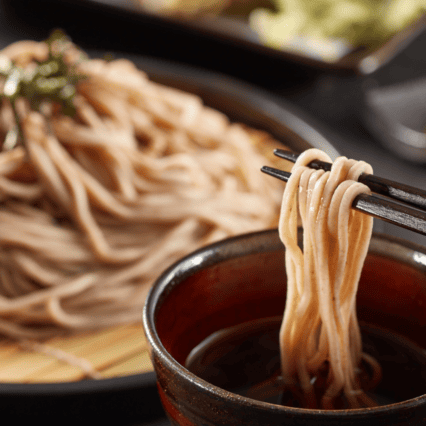
Traditionally, zaru soba is served on a bamboo tray, and paired with a concentrated mentsuyu dipping sauce on the side.
Soba recipes and toppings
Just like the somen, first boil the noodles until tender — this will take a bit longer than the somen since soba aren’t as thin, but you’ll still want to take a noodle or two out a bit early to test so they don’t overcook.
Also just like somen, you’ll want to immediately rinse the cooked soba under cold water or in a bowl of ice water.
Garnish with sliced green onion and nori plus a bit of wasabi if you like, and serve chilled alongside dipping sauce.
Many of the toppings that pair well with somen also go great with soba — shredded nori, sesame seeds, scallions, shredded nori, and a soft-boiled egg, for example — but it can also hold up to more substantial toppings too. Tempura vegetables or shrimp can be a fantastic addition to cold soba noodles.
Easy at-home cold noodle dipping sauces
So much of what makes cold noodles delicious is a flavorful sauce for dipping.
Classic mentsuyu
This is arguably the go-to dipping sauce for many types of noodles, cold or otherwise. It’s a rich, concentrated soup base made of soy sauce, mirin, sake, and dashi, simmered to a reduction.
Store-bought mentsuyu comes in both concentrated and ready-to-use varities. If you’re using concentrate, follow the bottle’s direction for a cold noodle dipping sauce. The suggested dilution is often stronger than it would be for a noodle soup.
Homemade soy-dashi
For a simple homemade dipping sauce, combine soy sauce and dashi, then add a little mirin or sugar to taste. Adjust the ingredients to make the sauce as savory or sweet as you like, and chill before serving.
Goma dare sesame dipping sauce
For something a little different, try this creamy, nutty sauce. Combine sesame paste, soy sauce, rice vinegar for some acidity, and either water or dashi to thin it. You can add chili oil for a little kick too. This sauce is not just popular for cold noodles, but also vegetables and hot pots.
Ponzu dipping sauce
Not only does a ponzu dipping sauce add an incredible brightness to cold noodles. You can make it simply in just a few seconds or make more complex versions if you have more ingredients and time.
At its most basic, you can simply combine lemon or yuzu with soy sauce and if you like, a splash of mirin. For a fuller-bodied versions, simmer the key dashi ingredients of katsuobushi and kombu with mirin and rice vinegar, cool, and add citrus and soy sauce. Alternatively, you can steep these ingredients together for a few days in the fridge.
A ponzu dipping sauce can be garnished with grated ginger and green onions, which are great for cold noodles.
Cold noodle tips to remember
Before we finish, just keep these in mind:
- Don’t overcook the noodles! It’s easy to do, especially for thinner ones, but doing so will make them mushy and prone to breaking. You want your noodles to have some bite!
- Rinse and chill your noodles after cooking. It’s in the name: You want chilled noodles for the hot weather, plus a quick dunk in ice water will help prevent that aforementioned overcooking. It also helps reduce starches which, although very necessary to preserve for some noodle dishes like pastas, can make these types of cold noodles gummy.
- Serve dipping sauce chilled. Just like with the noodles, this is all about the chill.
- Different sauces have different dilutions depending on the use and your preference. Store-bought sauces vary in strength; some are concentrated, while other are ready to use. The package recommendation are a good starting point.
In general, cold noodles are simply a delicious addition to your summer menu. When the weather gets hot but you’re still craving something flavorful and, well, noodly, remember that there’s the perfect dish for that!
And of course, if you’re in the Seattle or Portland areas when the craving strikes, Uwajimaya has all the ingredients you need to make that meal happen