
How to Cook with Kabocha
How to Cook with Kabocha
it’s also popular in Korean and Thai kitchens, too.
Here, we’ll talk about how to choose one and different ways to cook it — and the extremely important-but-oft-overlooked aspect of how to cut a kabocha safely!
What’s kabocha?
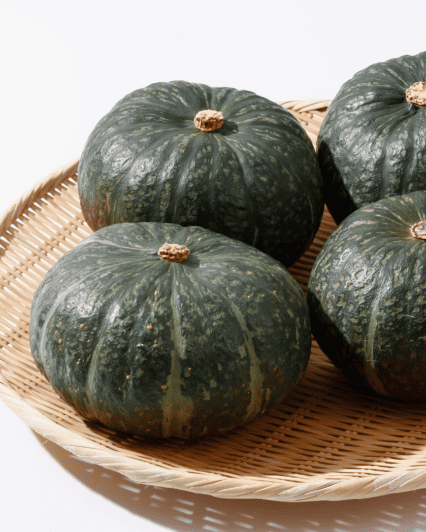
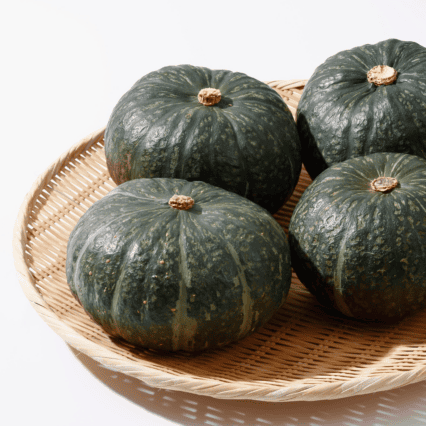
Kabocha, also called kabocha squash, or Japanese pumpkin has a flavor and texture somewhere between a butternut squash and a sweet potato. It appears quite squat, with dark green skin and bright orange flesh. The skin is edible so many recipes won’t call for peeling first.
Kabocha contains fiber, vitamin C, carotenoids, and, like basically all orange vegetables, vitamin A (or beta carotene, which is the plant-sourced precursor your body converts to vitamin A as needed).
How to choose a good kabocha
There are a few signs to look for when choosing a good kabocha.
- It should feel heavy for its size. That’s a good sign the flesh is dense.
- The stem should be dry and almost cork-like, signaling it’s optimally mature.
- The skin should be a dull, deep green, although an orange patch where it’s been resting on the ground is normal.
- Look for a squash without soft spots or cracks. These can be signs of damage or spoilage.
Those are all things to keep in mind when choosing a whole kabocha, but you can sometimes find pre-cut wedges too — at Uwajimaya, Kabocha are available year round in our produce section.
Storing kabocha
How you store kabocha depends on whether it’s whole, cut, or cooked.
- Whole kabocha: Store in a cool, dry spot. It can easily last over a month when stored correctly, but quality will gradually decline over time.
- Cut wedges or slices: Because the flesh is now exposed, you have to wrap and refrigerate. They should then be used within five days.
- Freezing kabocha: For longer storage, cook the kabocha, let it cool, and freeze it in an airtight container or freezer bag. For best quality, use within a year.
How to cut kabocha safely
One last thing before we dive into some of our favorite kabocha recipes — a few tips on how to cut a kabocha without butchering either it or yourself.
Kabocha can be tough to cut. To make it easier, wash the squash and carefully pierce the skin several times with a sharp knife. Place it on a microwave-safe plate and microwave for two to four minutes to soften it slightly. Let it cool enough to handle.
Place the squash on a sturdy cutting board with a damp towel underneath to keep the board from slipping. Using a sharp, sturdy knife, carefully cut the squash in half, working alongside the steam rather than through it.
Once it’s halved, scoop out the seeds and then cut the kabocha into wedges or chunks as you wish.
As a bonus, don’t waste the seeds; roast and salt them just like you would with pumpkin seeds for a snack!
Five things to cook with kabocha
Now, for five of our favorite things to make. First:
Kabocha no nimono (simmered kabocha)
This is a classic Japanese home-style dish. Kabocha is simmered in a combination of dashi, soy sauce, mirin, and sugar, before being taken off heat for a bit so the flavors of the sauce soak further in.
Not only does the sweet nuttiness of the kabocha marry wonderfully with that quintessentially Japanese dashi, soy, mirin flavor combo, but it’s super simple and quick to make. You can have this done in as little as 30 minutes — or you can let the kabocha rest in its sauce for a couple hours for an even more flavorful final product.
Kabocha tempura
The appeal of this probably speaks for itself: kabocha? Delicious. Tempura? Even more so. Naturally, they should be together.
One of the tricks here is to slice the kabocha quite thin both so its cooking time aligns with the frying time for the batter and because the texture of thinly sliced, fried kabocha is so good.
Another key is in the batter. Tempura batter is one of the trickier frying methods to perfect because the science behind achieving that unique texture is a bit finicky. It needs to be cold — some will use ice cubes in the water during this process — and not over-mixed. Don’t let that intimidate you though; it might take a few tries to get tempura perfectly down, but even “imperfect” tempura is still tasty.
Serve your crispy kabocha with a flavorful tentsuyu dipping sauce.
Roasted kabocha
Here’s the easiest option: Toss kabocha wedges or cubes with olive oil and salt, then roast in the oven at 425° Fahrenheit for about 25 to 30 minutes or until your preferred doneness. Cooking time will depend on the size of the pieces.
Throw on some other herbs, spices, or marinades if you’d like too — rosemary and thyme, miso butter glaze, shichimi togarashi, furikake, or whatever other flavors you think would taste good.
Kabocha soup or potage
Similar to roasting preparation, you can use kabocha in soups basically as far as your imagination will take you.
If you’re looking for inspiration to start, though, consider both the Japanese and Thai style; Japanese style popularly uses either milk or soymilk along with other stock and/or cream before being pureed into a smooth potage, while Thai-inspired kabocha soup would often be coconut milk-based with red curry paste and kabocha chunks.
Kabocha in curries and stews
Kabocha is delicious in Japanese curry, Thai pumpkin curry or a hearty stew. It can also be used in Korean hobak-juk, a comforting pumpkin porridge. It’s especially well-suited to stews both because they seasonally align — who doesn’t feel those cravings kick in when the weather starts to get chilly? — and because kabocha has that filling heartiness, that’s perfect for an equally hearty dish.
Bonus: sweet kabocha treats!
We included a sixth use for kabocha, which is that it can be used in so many desserts and confections. Kabocha pudding, kabocha cheesecake, kabocha pumpkin pie, pastries, as a filling for mochi… There are endless ways to use kabocha for sweet treats.
Kabocha pairings primer cheat sheat
Lastly, when in doubt, consider these flavor pairings for kabocha dishes:
- Savory: miso, soy sauce, ginger, sesame
- Sweet: brown sugar, cinnamon, coconut
- Proteins: chicken thigh, ground pork, tofu
Final thoughts
Kabocha season being fall through winter, now is the time to cook with it. There’s practically endless ways to use this wholesome gourd for meals or tasty snacks.
If you’re looking for kabocha in the Seattle or Portland areas, you can find them — plus all the rest of the ingredients for your meals like dashi, mirin, tempura flour, or curry roux — at your local Uwajimaya!