
Rice Harvest Season: Japanese Rice Types, How to Cook Them & What to Make
Rice Harvest Season: Japanese Rice Types, How to Cook Them & What to Make
Shinmai is valued for the qualities many people look for in rice: it tends to have higher moisture content, a naturally sweeter flavor, and fresh aroma.
At Uwajimaya, we carry a wide range of Japanese rice varieties at their rotating seasonal best — here’s a guide on these different types, how best to prepare them, and the different dishes that pair well with each type.
What’s shinmai and why is it so special?
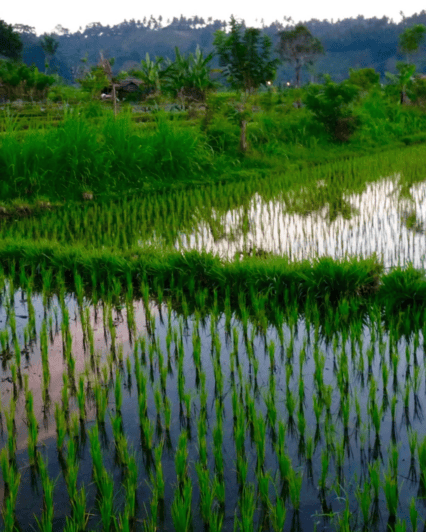
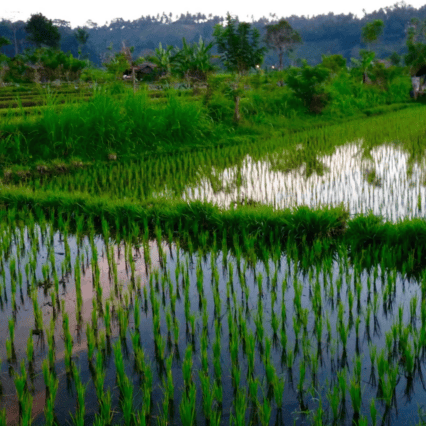
Shinmai means “new rice” and refers to the rice from the latest harvest. While harvest timing varies by region and variety, it’s especially anticipated in the fall.
This is in contrast with aged rice — komai — which is from a previous harvest. This rice tends to have lower moisture content and can have a different texture and flavor. Komai is still excellent for everyday cooking and many rice dishes.
With shinmai, the rice being freshly milled means it retains more moisture; this makes the bite sweeter and more “glossy.” Because of its moisture content, some cooks use a little less water when preparing shinmai. Start with the package or rice cooker instructions, then adjust slightly to your preference.
Japanese rice varieties — a quick field guide
Generally, rice in Japan can be divided into short-grain, medium-grain, and specialty categories. Within these, there are many different varieties — here are some common ones:
Short-grain “uruchimai”
Short-grain rices are the backbone of lots of Japanese dishes, and there are quite a few common types.
Koshihikari, for example, is grown in several regions, including Niigata, which is especially known for it. Its slightly creamy, sweet texture and taste make it exceptionally well-suited for sushi and onigiri, and it’s often considered the benchmark for Japanese rice.
Hitomebore is another type of short-grain that originated in Miyagi. The name translates to “love at first sight.” With a mild sweetness and tender texture, it’s a great all-purpose rice for donburi and everyday meals.
Another popular short-grain variety is akitakomachi which, as the name implies, originated in Akita Prefecture. It’s mild and a bit firmer, holding up well in bento boxes, for example, and when it cools.
Medium-grain rice
It might be surprising to consider that the medium-grain Calrose rice can also be used in many Japanese dishes. Develop in California, Calrose is extremely versatile and widely available. It becomes slightly sticky when cooked, making it a popular choice for Japanese-style meals.
Basically: When in doubt, Calrose medium-grain is a pretty good bet.
Specialty varieties
Beyond short-grain and medium-grain rice types, there are special types of rice that have their own unique characteristics for specific usages.
For example, mochigome, also known as glutinous rice, becomes extremely sticky and chewy when cooked. It’s used to make mochi and dishes like sekihan red bean rice and ohagi confections. Despite its name, glutinous rice does not contain gluten.
On the other end of the spectrum is haiga-mai. Haiga-mai is germ-on rice that’s milled to remove the bran while retaining the nutrient-rich germ. In both flavor and texture, it offers a middle ground between white and brown ice. It cooks similarly to white rice, though you should follow the package instructions for best results.
Lastly, musenmai is pre-rinsed rice which removes the bran during milling, meaning you don’t have to wash it before cooking. This is popular for its convenience without sacrificing texture or flavor.
Cooking Japanese rice
It’s easy to make rice generally, but there are a few steps and details that are important for making good rice.
Washing
Rinsing removes the excess surface starch and helps the cooked rice have a pleasantly sticky texture without becoming overly gummy.
Luckily, washing rice is quite simple: Just rinse rice in a bowl of cold water, swish gently, pour out water, and repeat until post-rinse water is mostly clear instead of foggy and starchy — typically this will take three to five rinses.
The exception to this is musenmai no-wash rice, which has already been processed so it doesn’t need rinsing.
Soaking
Ideally, after washing, let the rice soak for about 30 minutes before cooking. Some people may skip this step when in a rush, but it helps facilitate more even hydration, making the rice fluffier and more evenly cooked.
The water ratio
The ratio of water to rice you’ll use will vary a little depending on a few things, most notably the variety of rice you’re using, but also simply environmental and technique factors too.
Generally, you’ll often end up using about one cup of water for one cup of rice when it comes to short-grain Japanese varieties cooked in a rice cooker; then again, with shinmai you may want to use slightly less.
Meanwhile, brown rice and haiga-mai use more water and cook for longer.
If you cook rice often, you’ll find you end up pinpointing exactly how much water works best over time. And with a rice cooker, it will have markings on the side designating how much water to use for different amounts and types of rice.
Which brings us to…
Rice cooker versus stovetop cooking
We’ll start by saying there is a reason the rice cooker is a staple in East Asian households; if you want to cook rice easily and consistently every time, it’s a godsend. Simply follow the manufacturer’s guidelines and water-to-rice markings, click the corresponding button, and you’re golden.
That said, cooking rice over the stovetop is still a perfectly reasonable technique — it will just take more active participation. After all, people have been cooking rice without modern electric rice cookers for thousands of years.
For Japanese short-grain white rice, a good starting point is to bring the rice and measured water to a boil. Cover the pot tightly, reduce the heat to low, and cook for about 12 minutes. Remove it from the heat and let it rest, covered, for another 10 minutes.
Depending on the variety of rice, the characteristics of your cooking pot or saucepan, and other factors, you may find you prefer to cook it or let rest a little bit shorter or longer.
Resting your rice
Just like soaking your rice before cooking, this is a step that some people will skip if they’re in a rush but which helps improve your rice’s final texture. In this case, letting your rice rest for about 10 minutes — covered! — allows the remaining moisture to distribute through the grains and helps create a consistent texture.
Our favorite rice dishes to make
As a staple in so much of the world, obviously there’s no time of year where rice isn’t in — but it’s especially delightful in the fall when the shinmai harvest arrives. Here are some of our favorites and which rice varieties work the best for them:
Onigiri — koshihikari or hitomebore
Onigiri are Japanese rice balls filled with whatever you like. Classic fillings include tuna and mayo, salmon, and umeboshi pickled plum, but we’ve also seen it with chicken, sweet potato or kabocha, ikura and other types of roe, avocado, shrimp, beef, and more. Furikake is popularly added to the rice, and nori is a popular for wrapping it, too.
Because rice is so foundational to onigiri, bad rice means disappointing onigiri, while great rice — like shinmai — means you’ll have great onigiri every time!
Oyakodon and other donburi — hitomebore or Calrose
Donburi are Japanese rice bowls, with oyakodon being specifically the chicken-and-egg variety. Just like onigiri, you can make a donburi with all kinds of toppings. Popular types include gyudon (beef), tendon (tempura), unadon (eel), katsudon (katsu cutlets), and ikuradon (ikura cured salmon roe).
Oyakodon is especially great as a fall comfort food, with the protein and sauce-soaked rice making it feel like a warming chicken-and-egg stew that sticks to the ribs. As a bonus, it’s easy to prepare for a weeknight dinner.
Kuri gohan — koshihikari or akitakomachi
This is a quintessential Japanese fall dish; sweet chestnuts — in season during the autumn, including at Uwajimaya! — are cooked directly into the rice. Some recipes will call for a portion of mochigome glutinous rice too to provide a chewy texture. You can do either.
Sekihan red bean rice — mochigome
Speaking of glutinous rice, this is a dish specifically for that variety. This sticky rice is cooked with azuki red beans, often served at celebrations or festivals. You can also make sekihan onigiri.
Ochazuke — any short-grain rice
Ochazuke is a comforting dish of green tea, hot dashi, or even hot water poured over rice. It’s easy to make and a good way to use leftover rice.
Pour hot dashi or green tea over rice, add toppings like furikake, sesame seeds, nori, scallions, salmon and enjoy.
Finding it at Uwajimaya
If you’re in the Seattle or Portland areas, visit your local Uwajimaya to explore our selection of rice and ingredients for the dishes above.
Whatever dishes you’re planning on making with this fresh harvest, you can grab your pantry staples and other ingredients at Uwajimaya too (plus rice cookers and other accessories you may not have on-hand yet).
If you’re feeling the autumn harvest, swing by Uwajimaya to see this season’s rice selection!