
Japanese Comfort Foods for Cold Weather

Japanese Comfort Foods for Cold Weather
Let’s look at some of our favorites!
Nabe
Short for nabemono, nabe is an umbrella term for a whole family of hot pot dishes generally cooked on the table and eaten communally. The word nabe describes both the dish itself and the style of cooking. Alongside a warming broth, these hot pots can include vegetables, meats, seafood, tofu, and more.
Some common types of nabe include:
- Shabu shabu: Super thinly-sliced meat — usually beef — are swished in a light, watery broth briefly to cook, along with vegetables like cabbage and chrysanthemum greens, mushrooms, and or tofu, which will cook in the simmering broth longer. After the shabu shabu is done, sometimes diners will add udon noodles to the now-flavored broth for a second noodle soup course.
- Sukiyaki: Similar to shabu shabu, sukiyaki is thinly-sliced meat simmered in a sweeter, shallower soy-based sauce, often alongside similar vegetables and tofu plus additional glass noodles.
- Chankonabe: A hearty, high-protein hot pot made with meat and/or seafood, vegetables, and udon noodles. Traditionally associated with sumo wrestlers, this dish helps them build muscle mass and maintain energy.
- Yudofu: Light, delicate, and perfect for winter. Yudofu is a tofu-centered hot pot simmered in a light kombu broth or even just hot water. It’s typically served with condiments and dipping sauces like ponzu, letting the delicate flavor of the tofu shine.
- Ishikari-nabe: A seafood-based hot pot made with salmon, shellfish, and other local seafood simmered in a miso-based broth with potatoes and vegetables.
Oden
We purposely left out one of the most quintessentially “wintery” nabe — because it deserves its own spotlight.
Yes, oden is technically a kind of nabe, but it’s in a class of its own. This hearty stew features a light soy-and-dashi broth and an assortment of ingredients such as fish cakes, daikon radish, hard-boiled eggs, atsuage (fried tofu), konnyaku, and mochi.
Oden is probably the most purely warming, hearty dish of everything here with its hot broth and array of substantial ingredients, and for that reason it’s very much associated specifically with winter time. In Japan you can find it at izakayas and food stalls, but there are also specialty oden restaurants, many of whom will have a master stock that’s replenished and deepened in flavor over the years.
Nikujaga
A cozy cross between sukiyaki and oden, nikujaga is a classic example of yoshoku, or Japanese foods that came about from Western influence after the end of Japanese isolationism in the 1800s. Korokke, Japanese curry, and tonkatsu are other popular examples of this, while foods like tempura — although Western influenced via the Portuguese — predate yoshoku by almost 300 years.
Like sukiyaki, the contents of nikujaga are also simmered in a broth of soy, sugar, and mirin, and include thin-sliced beef, sliced onions, and (often) shirataki noodles. Unlike sukiyaki, nikujaga goes further with the ingredients and includes potatoes and often other root vegetables like carrots, plus peas.
It’s a beloved home-cooked stew, especially in winter — hearty, flavorful, and guaranteed to warm you up.
Curry rice 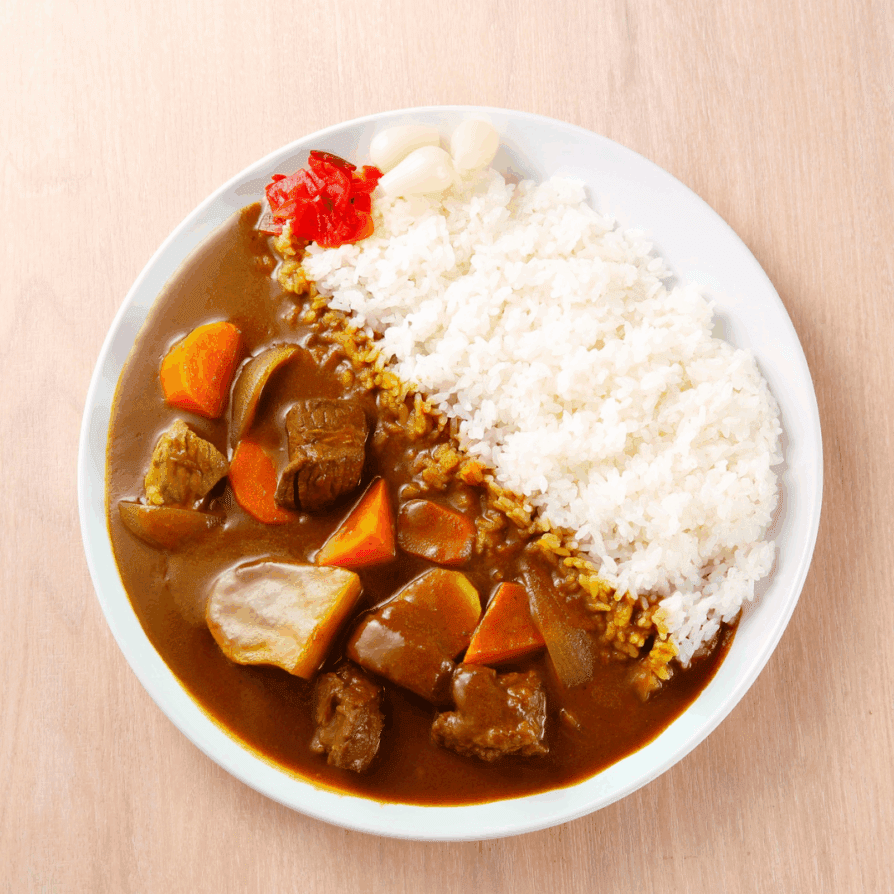
Another yōshoku favorite, Japanese curry took a roundabout journey: from India to Britain, then to Japan through the British navy. Today, it’s one of Japan’s most popular comfort foods.
Japanese curry typically includes potatoes, carrots, onions, and meat simmered in a thick, mildly sweet curry sauce, served over short-grain rice. It’s richer and thicker than South or Southeast Asian curries, almost like a stew.
Varieties of curry include katsu curry, served with a katsu cutlet, and dry curry, where the rice and curry are cooked together so the rice soaks up the sauce.
Ramen 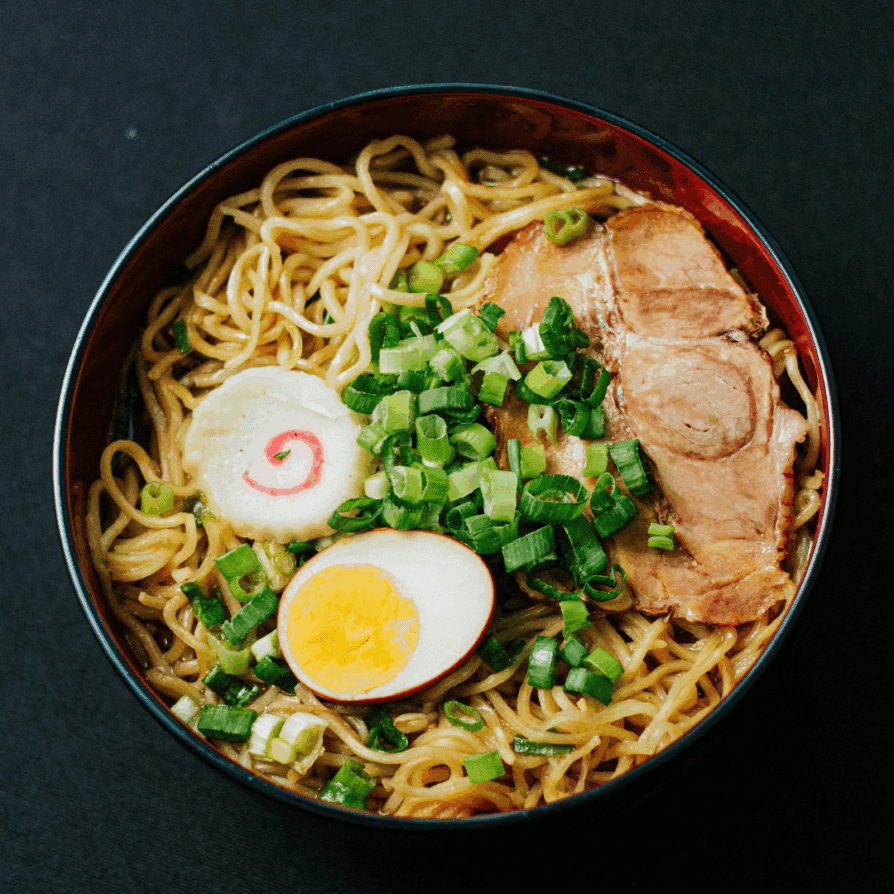
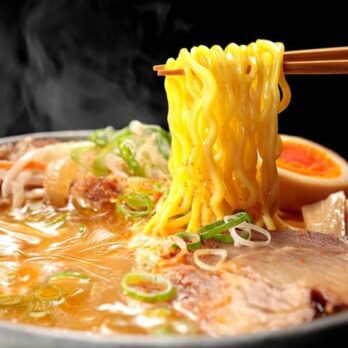
Perhaps the most famous of Japan’s comfort foods abroad, ramen evolved from Chinese noodles into one of Japan’s most beloved dishes. Its deep, flavorful broth makes it the perfect meal for cold weather.
There are several different ramen broth varieties, but they’re all a combination of the tare seasoning and the base stock. The most common stock is a rich pork base, with tare usually being either shoyu or shio — soy-based or salt-based.
It would take an entire own blog post to go even a little bit in-depth on ramen — which is why we’ve already done just that! No matter the type of ramen though, it’s all warming and lovely in the middle of winter.
Zenzai
Now for the sweet(-ish) end of things: zenzai! This is a dessert soup made from sweetened azuki red beans, often served with chewy pieces of mochi that melt slightly into the warm soup
Zenzai’s lightly sweet, rich, and just as warming as all these savory options, making it a winter tradition in Japan.
Japanese cooking is simply filled with all sorts of comforting soups, stews, and other nourishing dishes that heat you up from the inside out. During the cold, wet, gray months, these wholesome foods give you a big, warming, edible hug.