

Quail Eggs
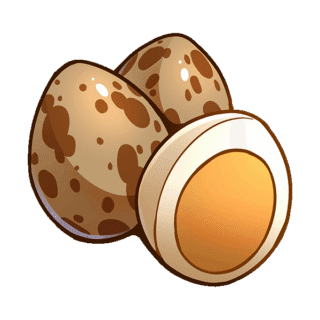
Notably smaller than their chicken counterparts, quail eggs are eaten in much of the world where they can range from a cheap snack to a coveted delicacy.
Although there are certain preparations and recipes that are associated more with quail eggs than chicken eggs, in practice you can prepare quail eggs pretty much any way you would prepare chicken eggs. (Because they’re so much smaller, however, you might have to use a lot more depending on the dish!)
Quail eggs can be hard- or soft-boiled, skewered or satay, pickled, smoked, deep fried, scrambled, or eaten raw! When added to a dish raw, they’re creamy but less overpowering and more delicate than larger raw eggs, like chicken or duck.
One use for raw quail eggs is served on top of certain sushi. This is particularly popular for gunkan sushi — similar to nigiri, but with a little ring of nori wrapped horizontally around the bed of rice instead of over the top — with fish roe like tobiko or ikura. In these cases, the creamy smoothness of the quail yolk wonderfully contrasts with the crunchy, briny taste and texture of the fish roe.
Other uses for quail eggs include boiled and eaten as a cheap snack by themselves in parts of Asia. We’ve even heard of people using quail eggs to make carbonara, which sounds delicious!
You can find quail eggs at Uwajimaya stores in different departments depending on preparation: we carry fresh eggs, yes, but also brined and canned quail eggs too.