
Chestnut (Kuri)
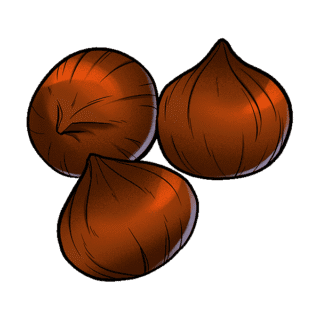
Kuri are chestnuts, which have been eaten in Japan since prehistoric times — long predating even rice, for example.
When harvested, they have a spiny outer shell or hull, under which is a smooth, dark second shell. Under that is a light golden colored nut that’s lightly sweet when cooked and, dare we say, nutty. You’ll find them as ingredients in both sweet and savory dishes, or eaten by themselves.
Just like in much of Europe and North America, kuri are associated with fall and wintertime in Japan. They’re especially tied to New Year’s celebrations, where they’re usually found in osechi ryori (Japense New Year meal) in the form of kuri kinton, or mashed, sweetened sweet potatoes with candied chestnuts.
Japanese culinary tradition uses kuri in many different ways. They’re boiled or roasted, but also used in chestnut rice AKA kuri gohan; kuri manju, sweet buns filled with chestnut paste; and dorayaki or taiyaki filled with chestnut fillings. They are also pureed into a chestnut cream for Mont Blanc, known in Japan as monburan, and used to flavor Baumkuchen and other sweets. Mixed with azuki beans or featured in wagashi, chestnuts turn up in all kinds of treats in Japan.
When cooking with fresh kuri, it’s often recommended to store them in the fridge for a couple days beforehand, which helps bring out the flavors and more of the sweetness.
If you’re looking to make some of your own kuri dishes or just roast them up as a snack, Uwajimaya carries them seasonally in our produce department.